What is the Best Treatment for Dark Spots on the Skin?

Think nothing is worse than a wrinkle? Cosmetic clinicians like me would beg to differ. Often, my patients find hyperpigmentation (also called dark spots or sunspots) to also be a big barrier to their healthiest-looking skin . And, while wrinkles have a quick cosmetic fix in the form of injections or temporary line fillers, hyperpigmentation and dark spots are more stubborn and require diligence and patience. When treating hyperpigmentation, I tell my patients to think “more marathon, less sprint”.


What causes this pesky skin condition? It’s all about the skin cells. Your skin contains melanocyte cells that produce melanin and give our skin and hair its color. When excess melanin is produced, hyperpigmentation spots or patches that are darker than the surrounding skin appear. 


Regardless of skin tone, hyperpigmentation can be triggered by:

  • An inflammatory process like acne or eczema
  • Cumulative exposure to UV or an intense burn
  • Starting a new medication/prescription
  • Hormonal shifts


Medium-depth skin peels are a safe and effective treatment option for hyperpigmentation in patients of color. I typically prescribe peels with less than 15% TCA (trichloroacetic acid), like the VI Peel. It’s important to note the percentage of TCA in the peels you use, because a concentration too high can potentially cause an inflammatory response, leading to post-inflammatory hyperpigmentation. VI peels® are great because they are painless and the level of TCA is high enough to be effective without being inflammatory. Remember that skin peels shouldn’t be synonymous with pain: You can treat hyperpigmentation successfully with a medium-depth peel that doesn’t cause intense discomfort.


Microneedling is another option that combined with skin peels will give a great result. The microneedle is a device with tiny needles that punctures the surface of the skin with just enough pressure to trigger the skin’s healing response. This healing response then stimulates collagen production that ultimately helps with common skin aging concerns like texture, and elasticity. While microneedling is typically more focused on treatment of textural issues like acne scarring, rough texture, and elasticity, it can also help to break up excess pigment in your skin. It’s best to combine microneedling with something that can help lift unwanted pigment, like the VI Peel.


Hydroquinone is a prescription-only topical medication that I often use in my practice to manage hyperpigmentation and to even out the skin tone. There are also many non-prescription options available that are great adjunct treatments. These ingredients include TXA (tranexamic acid), azelaic acid, kojic acid, niacinamide, and other alpha hydroxy acids like lactic acid and mandelic acid. These are all helpful, especially when used in combination, for relieving uneven skin tone. 


At BeautyEtc. Skin Clinic, we have several product lines that combine prescription and non-prescription ingredients to effectively lighten hyperpigmentation and dark spots in all skin tones. Vitality Institute’s new VI Derm Dark Spot Lifting Serum with 5% Tranexamic Acid(TXA) is a product that delivers dark-spot fading results that are comparable to a prescription-grade product, and it includes four of the proven skin brighteners I mentioned above: tranexamic acid, kojic acid, lactic acid, and niacinamide. ZO Skin Health® skin brightening line contains retinol, ascorbic acid and glycolic acid. Together, these ingredients create a powerful combination therapy that corrects existing discoloration and prevents future pigmentation safely, without triggering inflammation. 


It’s also important to remember that prolonged sun exposure makes hyperpigmentation worse and can disrupt and even worsen your treatment cycle. Always use an SPF of 30 or higher, even on cloudy days.


Lastly, it’s also important to remember that everyone’s skin responds differently to different types of treatments based on their DNA, past skin history, environment, and so much more. Make sure to speak with your healthcare professional to set up a treatment path that’s right for your skin that’s completely unique to you. 
May 26, 2026
When most women hear the word “testosterone,” they think of men. But testosterone is a vital hormone for women too — and when levels drop, the effects can be profound, persistent, and frequently misattributed to stress, aging, or depression. If you’ve been told your labs are “normal” but you still feel exhausted, foggy, unmotivated, or disconnected from your body, low testosterone may be part of the picture.  “I’m doing everything right — and I still feel off.” If this sounds like you, your hormones may not be fully optimized.
By Mary Dealy May 3, 2026
You are getting a reasonable amount of sleep. You are eating well. Nothing has changed dramatically. But you are exhausted in a way that feels bone-deep, and it is getting worse, not better. If standard blood work has come back normal, you are not imagining things. You are being underserved by a testing approach that was not designed to catch the hormonal and metabolic shifts that drive fatigue in your 40s.
By Mary Dealy April 24, 2026
If you are exploring hormone replacement therapy, you have probably encountered the term bioidentical hormones — and you may have gotten conflicting information about what they are, whether they are safer, and whether they are right for you. What Does Bioidentical Mean? Bioidentical hormones are chemically identical in structure to the hormones naturally produced by your body. The term refers to molecular structure — not whether a hormone is natural or synthetic in origin. Bioidentical hormones are typically derived from plant sources and processed in a lab to match your body's own hormones exactly. Synthetic hormones have a different molecular structure. The progestins used in many conventional HRT formulations — like medroxyprogesterone acetate, used in the Women's Health Initiative study — are not the same molecule as the progesterone your body produces.
By Mary Dealy April 17, 2026
You went to your doctor feeling exhausted, with thinning hair and no energy, and your blood work came back normal. But did anyone check your ferritin? Ferritin is one of the most commonly overlooked markers in standard lab panels, and low ferritin is one of the most common — and most treatable — causes of fatigue and hair loss we see in our practice. What Is Ferritin? Ferritin is a protein that stores iron in your body. Think of it as your iron reserve tank. When ferritin is low, your body is running on empty — even if your hemoglobin and standard iron levels look normal. You can have low ferritin without being technically anemic.
By Mary Dealy April 10, 2026
If you have been struggling with bloating, unpredictable digestion, fatigue, skin issues, or just a general sense that something is off — and standard testing has come back normal — a GI-MAP test might give you the answers you have been looking for. What Is the GI-MAP Test? GI-MAP stands for Gastrointestinal Microbial Assay Plus. It is a stool test that uses advanced DNA technology to identify and measure the organisms living in your gut — including bacteria, parasites, viruses, yeast, and other pathogens that standard stool cultures often miss entirely. It also measures markers of gut inflammation, immune function, digestive enzyme activity, and intestinal permeability — what is commonly called leaky gut. What Does the GI-MAP Actually Test For?
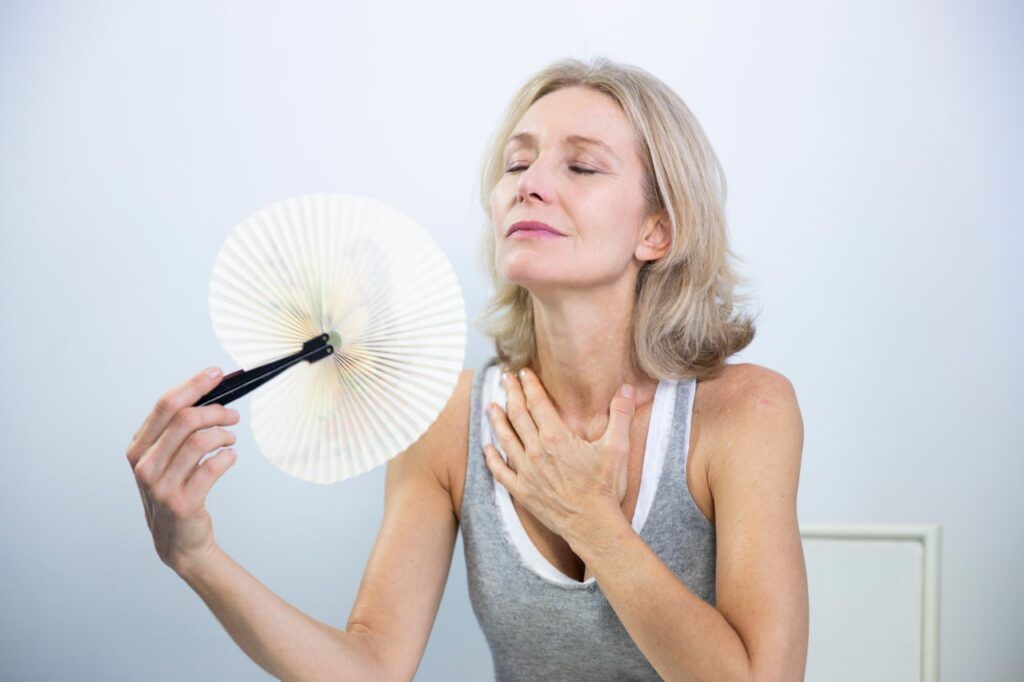
middle aged woman with perimenopause
By Mary Dealy April 1, 2026
If you have been feeling off lately; not sleeping well, more anxious than usual, gaining weight around your middle even though nothing in your diet has changed, you might be wondering if perimenopause has something to do with it. The answer might surprise you. Perimenopause does not always announce itself with dramatic hot flashes and night sweats. For many women, it starts quietly, with symptoms that are easy to dismiss or attribute to stress, aging, or just being busy. And here is what most people do not realize: perimenopause can begin as early as your late 30s.
Picture of Mary Dealy, Owner and Founder of BeautyETC Aesthetics
By Mary Dealy March 4, 2026
Explore a whole-body approach to healing the HPA axis. Learn how nutrition, lifestyle, and stress management can restore hormonal balance and boost your energy.
By Mary Dealy February 26, 2026
As women pass the milestone of 50, the body undergoes significant physiological shifts. While these changes are natural, they often require a new strategy for nutrition and movement to maintain the same level of vitality you enjoyed in previous decades. At BeautyEtc. Aesthetics, we focus on helping women navigate these transitions through hormone and metabolic optimization. One of the most critical components of this journey is understanding why protein is no longer just a "gym supplement" but a fundamental requirement for healthy aging.
October 22, 2025
If your skin gets red, irritated, inflamed, or reacts to most products, you know how hard it is to find treatments that actually help instead of making things worse. The Sensitive Skin Facial at BeautyEtc Aesthetics in Medfield, MA is specifically designed to soothe, strengthen, and protect delicate or reactive skin—without irritation, harsh ingredients, or inflammation.  This treatment is calming, repairing, and deeply restorative—perfect for those who need gentle care with real results. Here’s everything you need to know.
October 22, 2025
What is the Radiance Resurfacing Facial? It’s a treatment that focuses on exfoliation + renewal. This facial uses controlled resurfacing techniques (like enzymes, mild acids, or polishing exfoliants) to remove dull, dead cells and stimulate fresh, healthy skin underneath. Benefits include: Brighter skin tone Smoother texture Refined pores Improved clarity Softer fine lines More even complexion Think of it as a deep refresh that wakes your skin up. Who is this facial best for? This treatment is perfect if you have: Dull or uneven skin Rough texture or enlarged pores Early signs of aging Sun damage or discoloration Acne scars or post-breakout marks “Tired” looking complexion Makeup that doesn’t go on smoothly It’s ideal for anyone who wants clearer, more radiant, youthful-looking skin.