Blog

Declining estrogen affects your heart, brain & bones. See how hormone therapy, timed right, may protect how you age—not just ease symptoms.

Feeling exhausted, foggy, or "off" despite normal labs? Mary Dealy, FNP-C at BeautyEtc in Medfield, MA evaluates hormones, thyroid, and gut health together. Serving MetroWest Massachusetts.

When most women hear the word “testosterone,” they think of men. But testosterone is a vital hormone for women too — and when levels drop, the effects can be profound, persistent, and frequently misattributed to stress, aging, or depression. If you’ve been told your labs are “normal” but you still feel exhausted, foggy, unmotivated, or disconnected from your body, low testosterone may be part of the picture. “I’m doing everything right — and I still feel off.” If this sounds like you, your hormones may not be fully optimized.

You are getting a reasonable amount of sleep. You are eating well. Nothing has changed dramatically. But you are exhausted in a way that feels bone-deep, and it is getting worse, not better. If standard blood work has come back normal, you are not imagining things. You are being underserved by a testing approach that was not designed to catch the hormonal and metabolic shifts that drive fatigue in your 40s.

If you are exploring hormone replacement therapy, you have probably encountered the term bioidentical hormones — and you may have gotten conflicting information about what they are, whether they are safer, and whether they are right for you. What Does Bioidentical Mean? Bioidentical hormones are chemically identical in structure to the hormones naturally produced by your body. The term refers to molecular structure — not whether a hormone is natural or synthetic in origin. Bioidentical hormones are typically derived from plant sources and processed in a lab to match your body's own hormones exactly. Synthetic hormones have a different molecular structure. The progestins used in many conventional HRT formulations — like medroxyprogesterone acetate, used in the Women's Health Initiative study — are not the same molecule as the progesterone your body produces.

You went to your doctor feeling exhausted, with thinning hair and no energy, and your blood work came back normal. But did anyone check your ferritin? Ferritin is one of the most commonly overlooked markers in standard lab panels, and low ferritin is one of the most common — and most treatable — causes of fatigue and hair loss we see in our practice. What Is Ferritin? Ferritin is a protein that stores iron in your body. Think of it as your iron reserve tank. When ferritin is low, your body is running on empty — even if your hemoglobin and standard iron levels look normal. You can have low ferritin without being technically anemic.
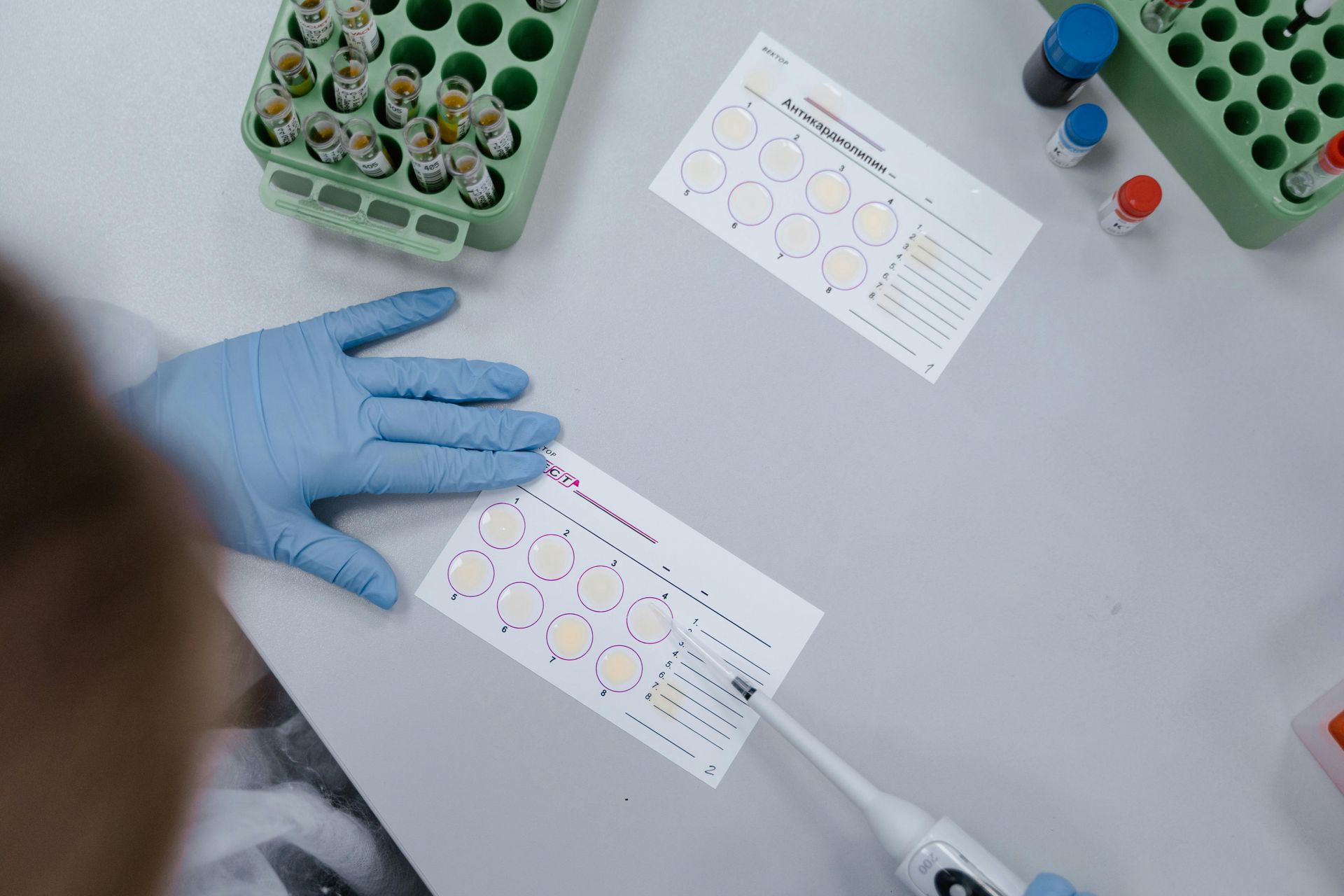
If you have been struggling with bloating, unpredictable digestion, fatigue, skin issues, or just a general sense that something is off — and standard testing has come back normal — a GI-MAP test might give you the answers you have been looking for. What Is the GI-MAP Test? GI-MAP stands for Gastrointestinal Microbial Assay Plus. It is a stool test that uses advanced DNA technology to identify and measure the organisms living in your gut — including bacteria, parasites, viruses, yeast, and other pathogens that standard stool cultures often miss entirely. It also measures markers of gut inflammation, immune function, digestive enzyme activity, and intestinal permeability — what is commonly called leaky gut. What Does the GI-MAP Actually Test For?

If you have been feeling off lately; not sleeping well, more anxious than usual, gaining weight around your middle even though nothing in your diet has changed, you might be wondering if perimenopause has something to do with it. The answer might surprise you. Perimenopause does not always announce itself with dramatic hot flashes and night sweats. For many women, it starts quietly, with symptoms that are easy to dismiss or attribute to stress, aging, or just being busy. And here is what most people do not realize: perimenopause can begin as early as your late 30s.

Explore a whole-body approach to healing the HPA axis. Learn how nutrition, lifestyle, and stress management can restore hormonal balance and boost your energy.

Before starting any skincare or aesthetic treatment, understanding your unique skin type, concerns, and goals is key to achieving the best results. At BeautyEtc Aesthetics in Medfield, MA, we offer comprehensive skin assessments to ensure every treatment is safe, effective, and tailored specifically to you. What is a Skin Assessment? A skin assessment is a detailed evaluation of your skin’s current condition, designed to provide a complete picture of your skin health. During the assessment, our skilled team examines: Texture and tone – noting roughness, uneven pigmentation, or dullness Hydration and barrier health – evaluating moisture levels, sensitivity, and areas prone to irritation Signs of aging – identifying fine lines, wrinkles, and any loss of elasticity Targeted concerns – such as acne, hyperpigmentation, rosacea, or scarring Beyond the physical evaluation, our consultation also includes a discussion of your lifestyle, skincare routine, and aesthetic goals, allowing us to recommend treatments and products tailored to your unique needs. Why a Skin Assessment Matters 1. Ensures Safety and Reduces Risk Not all treatments are appropriate for every skin type or concern. A professional skin assessment helps our team identify sensitivities, contraindications, or underlying issues that could affect treatment outcomes. This ensures that every session is safe and minimizes the risk of irritation or unwanted side effects. 2. Creates a Personalized Treatment Plan Everyone’s skin is different, and generic treatments often produce uneven or temporary results. By assessing your skin beforehand, we can design a customized plan that addresses your specific concerns—whether it’s uneven tone, fine lines, acne scars, or dehydration. Personalized plans maximize results and efficiency, ensuring each treatment works toward your long-term goals. 3. Sets Realistic Expectations Knowing your skin’s baseline helps our team provide a clear understanding of what results are achievable and how many sessions might be necessary. Some issues, like stubborn hyperpigmentation or deeper acne scarring, require a series of treatments or a combination of therapies. A thorough assessment ensures clients understand the process and remain confident in their journey to healthier skin. 4. Optimizes Long-Term Skin Health A skin assessment doesn’t just guide immediate treatments—it informs ongoing care. With expert recommendations for homecare, lifestyle adjustments, and professional treatments, clients can maintain healthy, radiant skin over time, preventing future damage and enhancing overall results. Take the First Step Toward Your Best Skin A professional skin assessment is the foundation for achieving safe, effective, and lasting results. At BeautyEtc Aesthetics, we take the time to understand your skin, your goals, and your concerns, creating a plan that’s uniquely yours. Book your skin assessment today and take the first step toward healthier, smoother, and more radiant skin .