Healing the HPA Axis: A Whole-Body Approach to Hormonal Balance
Healing the HPA Axis:
A Whole-Body Approach
to Hormonal Balance
Why treating perimenopause means more than hormones — and what a root-cause plan actually looks like
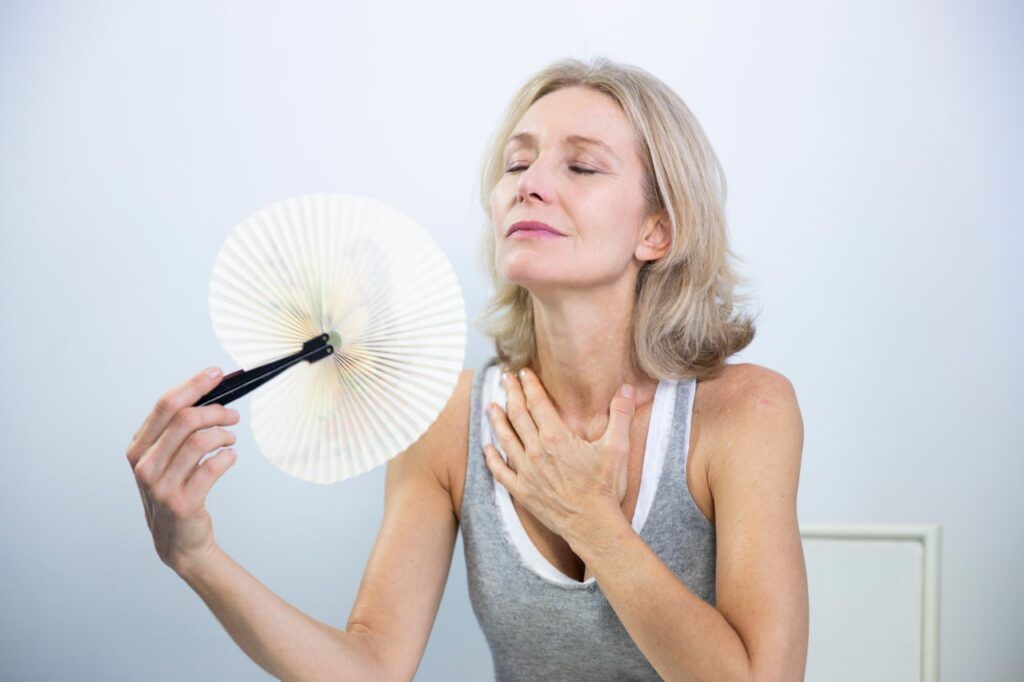
If you've been feeling exhausted, wired-but-tired, gaining weight despite doing everything "right," or simply not like yourself — your HPA axis may be at the center of it all.
As a Nurse Practitioner pursuing my certification through the American Academy of Anti-Aging Medicine (A4M) and founder of BeautyEtc Aesthetics, one of the most powerful shifts in my clinical thinking has been understanding the Hypothalamic-Pituitary-Adrenal (HPA) axis — and how deeply it influences everything from estrogen and cortisol to insulin and brain health during perimenopause.
This post breaks down a core treatment framework I use to help women in perimenopause restore balance — not by masking symptoms, but by addressing the systems that drive them.
What Is the HPA Axis, and Why Does It Matter in Perimenopause?
The HPA axis is your body's central stress-response system — a communication loop between your hypothalamus, pituitary gland, and adrenal glands. It governs cortisol production, influences sex hormone balance, and regulates sleep, blood sugar, and even mood.
During perimenopause, estrogen levels begin to fluctuate erratically. Since estrogen plays a key role in calming the HPA axis, its decline means your stress-response system becomes more reactive. Cortisol rises more easily, takes longer to come down, and begins to directly interfere with estrogen, progesterone, and insulin signaling.
The result? A cascade of symptoms that often get dismissed as "just part of aging" — but are actually signals of a dysregulated system that can be meaningfully supported.
Perimenopause isn't just about estrogen dropping. It's about three interconnected hormones — estrogen, cortisol, and insulin — falling out of balance together. When we treat the system, not just the symptom, women feel dramatically better.
Estrogen, Cortisol & Insulin: The Perimenopausal Triad
Before we look at treatment, it helps to understand how these three hormones interact — because targeting all three is what makes the BeautyEtc Aesthetics approach different.
The Hormonal Triad
- 1Estrogen Begins fluctuating years before the final menstrual period. Erratic estrogen disrupts mood, cognition, sleep, and metabolic function — and normally helps buffer the HPA axis, so when it drops, cortisol reactivity increases.
- 2Cortisol Chronic or elevated cortisol directly suppresses estrogen and progesterone synthesis, promotes visceral fat storage, disrupts sleep architecture, and drives blood sugar instability. The more stressed the system, the worse the perimenopausal symptoms.
- 3Insulin Estrogen normally enhances insulin sensitivity. As it declines, cells become less responsive to insulin, leading to blood sugar swings, carbohydrate cravings, fatigue, and fat storage — especially around the abdomen.
Six Pillars of HPA Axis Support
These six interconnected treatment strategies work together at BeautyEtc Aesthetics to support the HPA axis — and through it, restore hormonal harmony. Each pillar targets a different entry point into the same system.
Nutrition
Anti-inflammatory, blood-sugar-stabilizing nutrition reduces the cortisol burden and supports hormone synthesis. Key nutrients include Vitamin B complex, Vitamin C(concentrated in the adrenal glands), and Omega-3 fatty acids.
Adaptogens
Adaptogenic herbs modulate cortisol output to help the body adapt to stress. Common options include ashwagandha (reduces cortisol), rhodiola (improves resilience and cognition), and holy basil — tailored to your unique HPA pattern.
Sleep Support
Sleep is when the HPA axis resets. Melatonin supports circadian rhythm alignment, while L-Theanine promotes calm alertness and improves sleep quality without sedation — ideal for the "wired-but-tired" pattern.
Glandular Support
Neural glandulars support hypothalamic and pituitary tissue integrity, while adrenal glandulars provide raw materials for exhausted adrenal function — particularly useful after years of chronic stress.
Mind & Body
Resistance training and walking improve insulin sensitivity and cortisol rhythmicity. Meditation measurably reduces cortisol and changes the brain's stress-reactivity over time. These are core treatment, not optional extras.
DHEA & BDNF
DHEA buffers against cortisol's damaging effects and supports estrogen and testosterone balance. BDNF supports brain plasticity, mood, and memory — addressing the brain fog and cognitive changes common in perimenopause.
Why Treating the System Changes Everything
These six pillars reinforce each other: better sleep lowers cortisol, lower cortisol improves insulin sensitivity, better insulin sensitivity reduces inflammation, and less inflammation supports estrogen metabolism — all feeding back to a calmer, more resilient HPA axis.
At BeautyEtc Aesthetics, we ask: what is driving the dysregulation, and how do we support the whole system? The result for most women is not just fewer symptoms — it's a fundamentally different quality of life. Energy returns. Mental clarity improves. Sleep deepens. Many women tell me they feel better in their 40s and 50s than they did in their 30s.
Your symptoms are not a character flaw or an inevitable consequence of aging. They are signals from a system that needs support — and with the right approach, that system can be restored.
Your Hormones Deserve a Root-Cause Approach
Now accepting new clients for perimenopause consultations at BeautyEtc Aesthetics in Medfield, MA. Let's build a plan that actually works for you.
Book a Consultation445 Main Street, Medfield, MA · (508) 216-0112