What Are the Signs of Perimenopause?
If you have been feeling off lately; not sleeping well, more anxious than usual, gaining weight around your middle even though nothing in your diet has changed, you might be wondering if perimenopause has something to do with it. The answer might surprise you. Perimenopause does not always announce itself with dramatic hot flashes and night sweats. For many women, it starts quietly, with symptoms that are easy to dismiss or attribute to stress, aging, or just being busy. And here is what most people do not realize: perimenopause can begin as early as your late 30s.
The Signs of Perimenopause — Beyond Hot Flashes
Changes in Your Menstrual Cycle
- Periods becoming irregular — shorter, longer, heavier, or lighter than usual
- Skipping periods altogether for a month or two
- More intense PMS symptoms than you have had before
- Spotting between periods
Sleep Disruption
Sleep problems are one of the earliest and most disruptive signs of perimenopause. Progesterone has a calming, sleep-promoting effect on the brain, and as it declines, many women find it harder to fall asleep, stay asleep, or feel rested in the morning.
Mood Changes
- Increased anxiety or a sense of being on edge
- Mood swings that feel out of proportion to what is happening
- Feeling more irritable or emotionally reactive
- Low mood or a flat feeling, even when life is going well
These changes are hormonal, not a personal failing. Estrogen plays a significant role in serotonin regulation, so as levels fluctuate, your mood can follow.
Brain Fog and Memory Issues
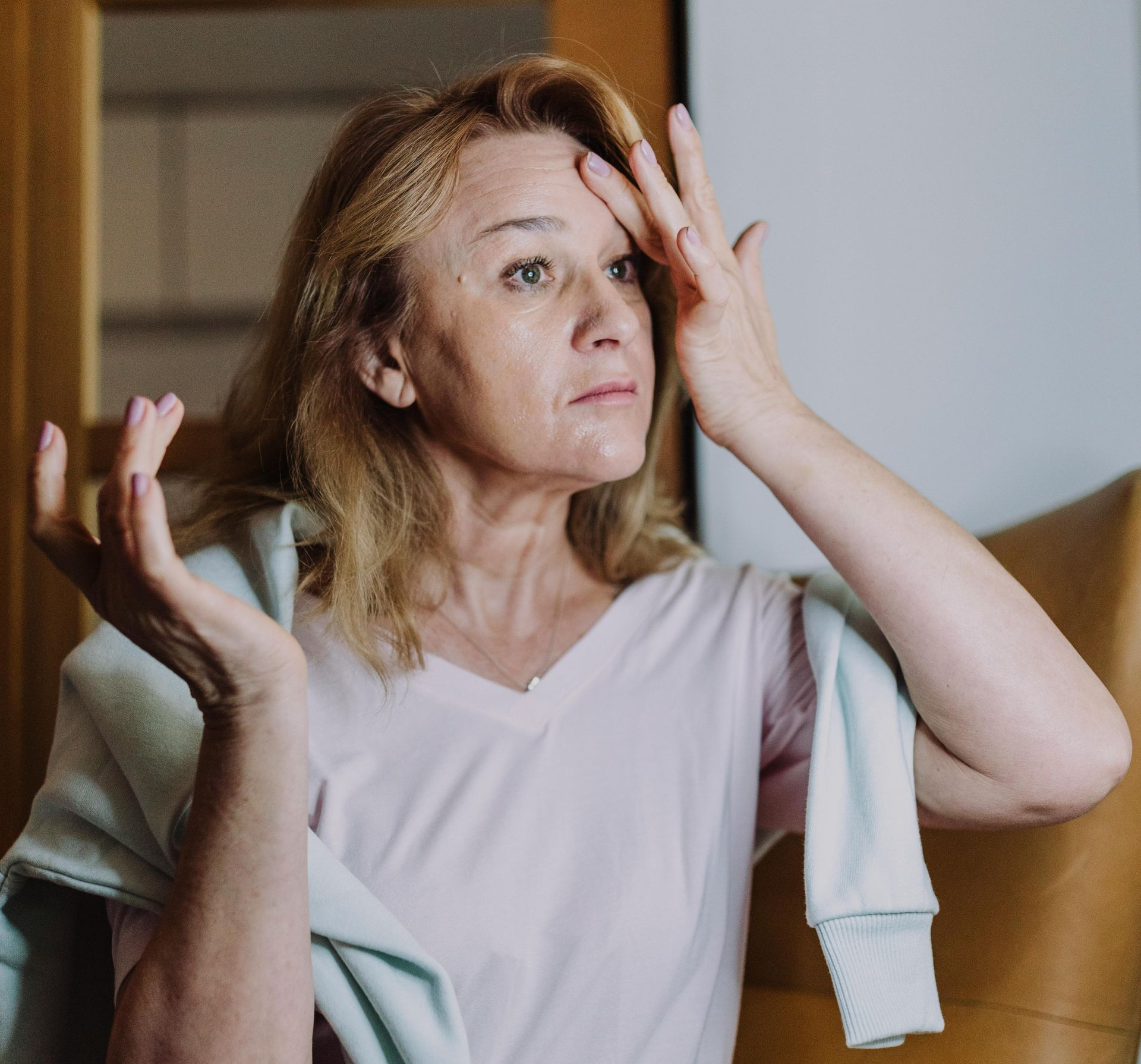
Forgetting words, losing your train of thought, feeling like you are operating in a haze — these are real and common symptoms of perimenopause. Hormonal brain fog typically improves significantly with proper treatment.
Weight Changes
Many women notice weight gain during perimenopause, particularly around the abdomen, even without changes in diet or exercise. Declining estrogen shifts fat storage patterns, and changes in cortisol and insulin sensitivity compound the effect.
Low Libido
A decrease in sex drive during perimenopause is extremely common and is driven by declining levels of both estrogen and testosterone. This is treatable — you do not have to simply accept it.
Hot Flashes and Night Sweats
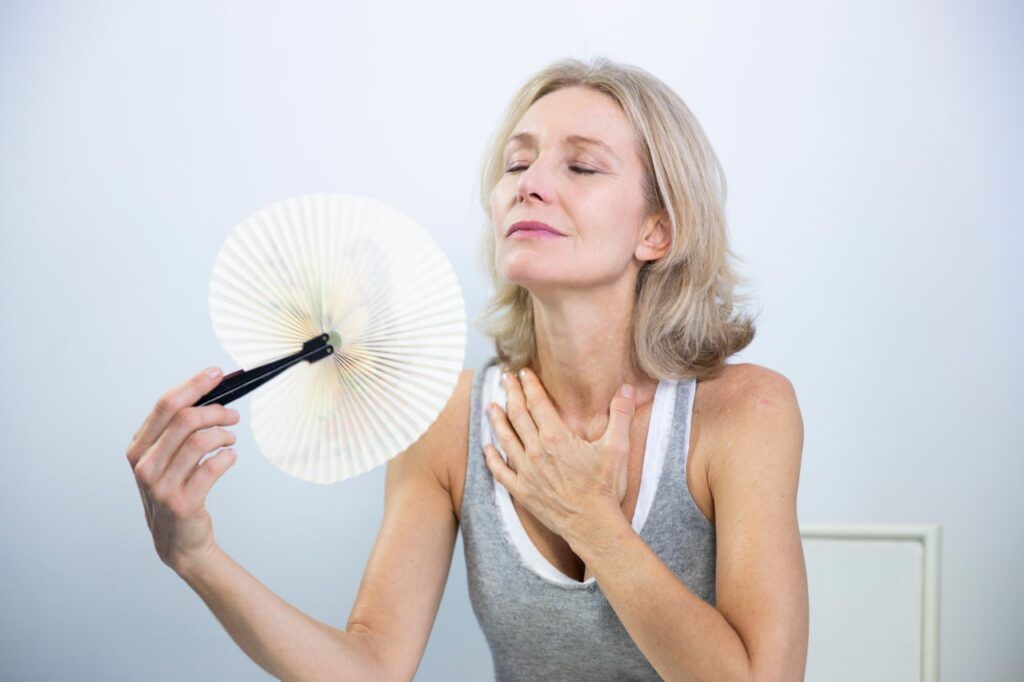
Hot flashes occur because fluctuating estrogen affects the hypothalamus, the part of your brain that regulates body temperature. Night sweats are essentially hot flashes that occur during sleep.
Joint Pain and Fatigue
Estrogen has anti-inflammatory properties. As levels decline, some women notice increased joint achiness, stiffness in the morning, or a general sense of physical fatigue that was not
present before.
How Do You Know If It Is Perimenopause?
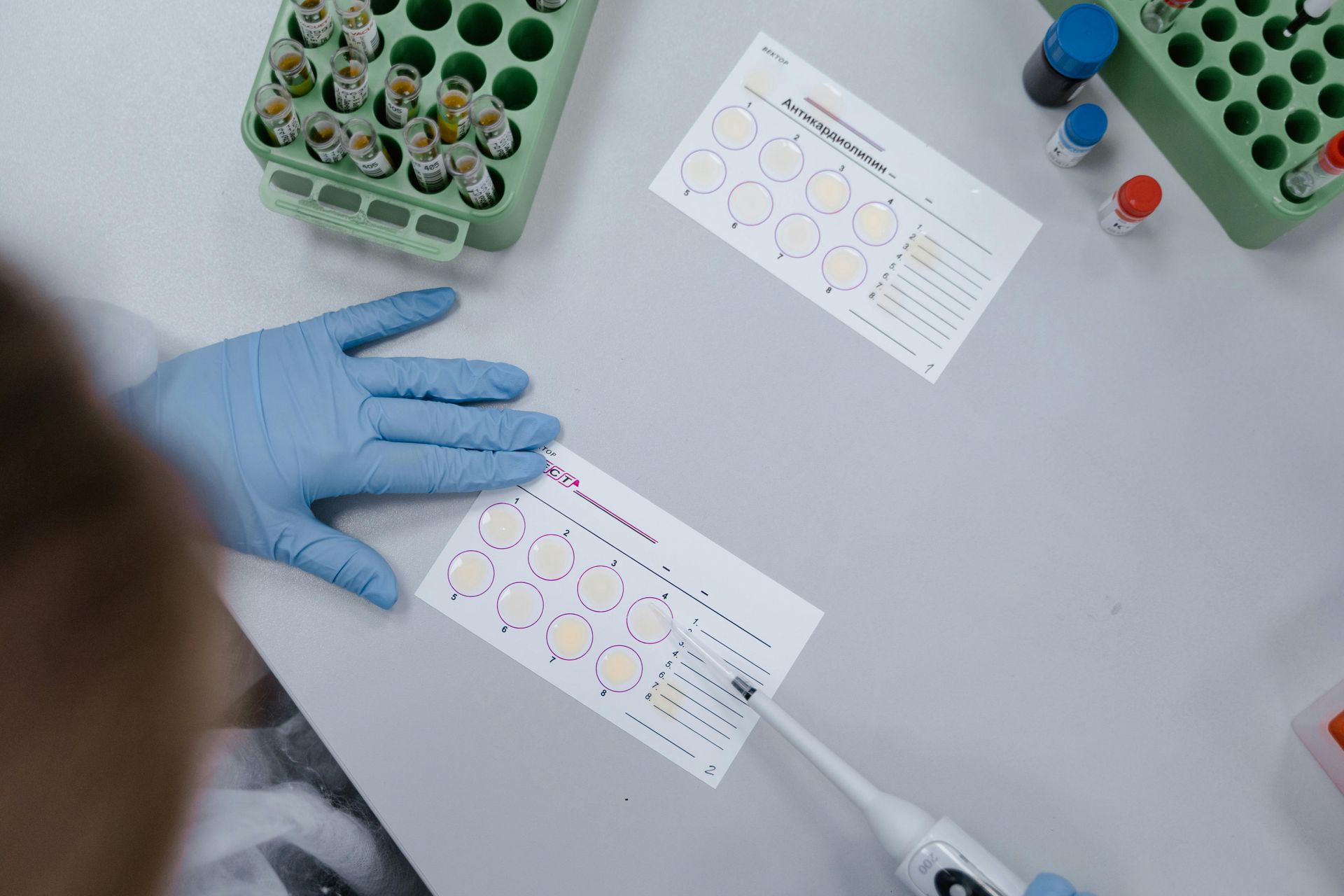
Standard hormone tests often miss perimenopause because hormone levels fluctuate so much during this transition. At BeautyEtc, we take a more comprehensive approach, looking at a full hormone panel including thyroid function, cortisol, and key nutritional markers
alongside your symptoms and cycle history.
You Do Not Have to Just Wait It Out
There are safe, effective options for supporting your hormones during this transition — including bioidentical hormone replacement therapy — that can meaningfully improve your quality of life.
Ready to get the full picture? At BeautyEtc Medical Aesthetics and Wellness in Medfield, MA, we combine advanced hormone and gut health testing with nearly 30 years of clinical experience. Book a consultation at beautyetcaesthetics.com or call 508-216-0112.