Hormone Therapy Isn't Just About How You Feel — It's About How You Age
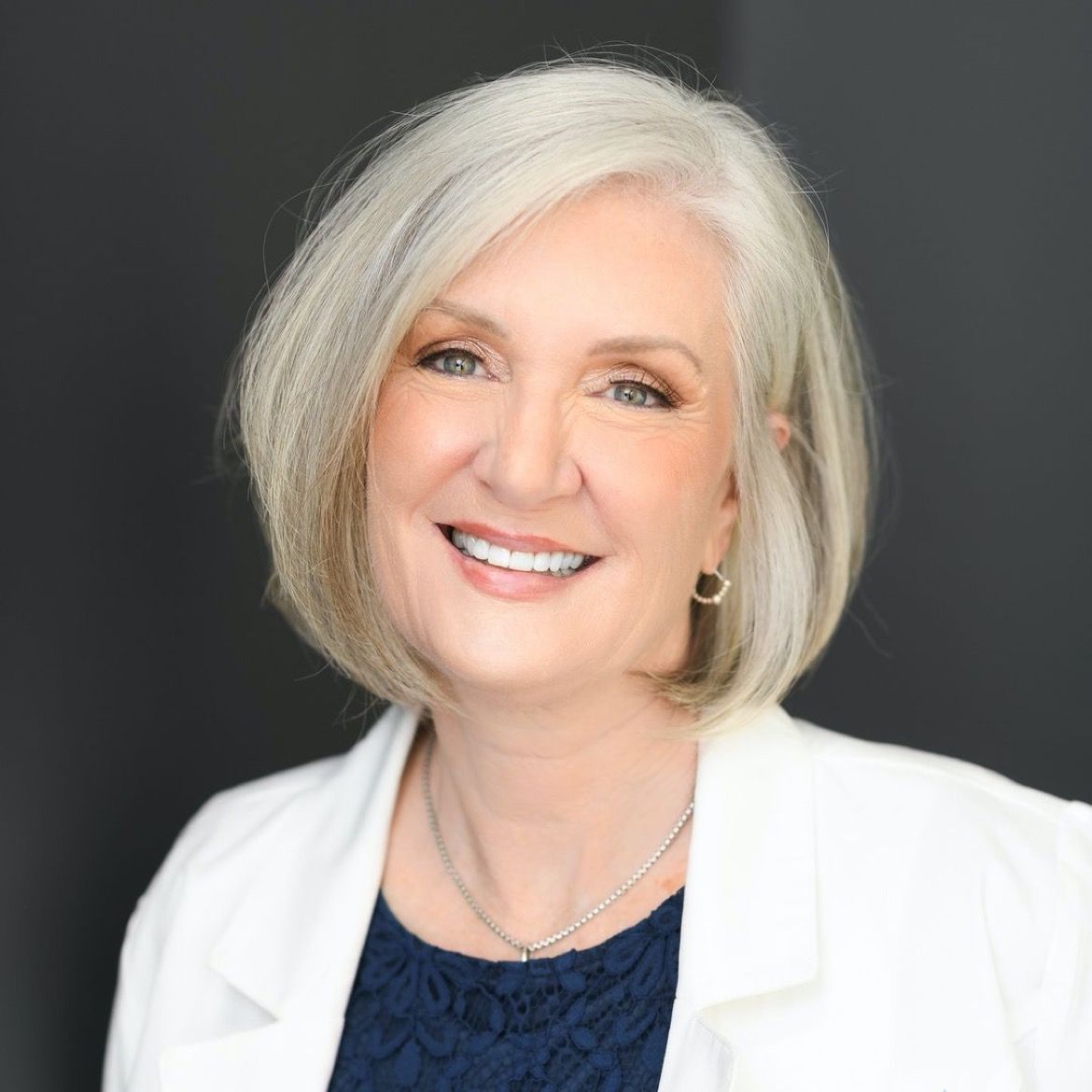
Category: Longevity & Hormone Health | By Mary Dealy, FNP-C, Founder & Medical Director, BeautyEtc Medical Aesthetics and Wellness (Medfield, MA)
Quick answer (TL;DR): For many women, hormone therapy is not only about relieving menopause symptoms like hot flashes and night sweats. Declining estrogen at menopause is linked to the three biggest long-term threats to women's health — heart disease, cognitive decline/Alzheimer's, and osteoporotic fractures. When started at the right time (generally within 10 years of menopause onset) and individualized, hormone therapy may help protect the heart, brain, and bones — not just manage symptoms.
Key takeaways
- Heart disease is the #1 cause of death in U.S. women and cardiovascular risk rises sharply after estrogen declines (CDC, 2025).
- Nearly 2 in 3 Alzheimer's patients are women, and estrogen is neuroprotective (Alzheimer's Association, 2026).
- Bone loss accelerates after menopause; osteoporotic fractures are a leading cause of injury death in older adults (National Council on Aging).
- In November 2025, the FDA removed the black box warning on hormone replacement therapy, acknowledging potential heart, brain, and bone benefits.
- Hormone therapy is not right for everyone; timing and individual risk profile matter.
Why the Hormone Therapy Conversation Needs to Change
Most conversations about hormone therapy focus on symptoms — hot flashes, night sweats, sleep, and mood. Those are real, they matter, and they deserve to be taken seriously.
But there is a much larger conversation that rarely happens in a standard 10-minute appointment: what declining hormones mean for the next 30 years of your life. Not just how you feel — how you age.
At BeautyEtc Medical Aesthetics and Wellness, I approach hormone optimization through the lens of longevity medicine, because the evidence increasingly points to estrogen as far more than a comfort hormone. It is a protective one.
The Three Biggest Threats to Women's Health as We Age
These three risks — heart disease, cognitive decline, and fractures — are not unrelated. They share a common thread: the loss of estrogen at menopause.
1. Heart Disease
Heart disease kills more women than all cancers combined. It is the #1 cause of death in women in the United States, and cardiovascular risk rises sharply after estrogen declines at menopause. Source: CDC, 2025.
2. Cognitive Decline and Alzheimer's
Nearly 2 in 3 Alzheimer's patients are women, and deaths from Alzheimer's have more than doubled since 2000. Estrogen is neuroprotective, and the perimenopausal transition is now believed to be when Alzheimer's-related changes may begin. Source: Alzheimer's Association, 2026.
3. Osteoporosis and Fractures
Every 19 minutes, an older adult dies from a fall. Most fall-related fractures are driven by osteoporosis — bone loss that accelerates dramatically after menopause as estrogen declines. Source: National Council on Aging.
A Major Shift You May Not Have Heard About: The FDA Removed HRT's Black Box Warning
In November 2025, the FDA removed its black box warning on hormone replacement therapy, acknowledging that the treatments potentially offer heart, brain, and bone health benefits. This represents a significant shift in how hormone therapy is understood at the federal level — and most women, and many providers, don't know it happened yet.
How Estrogen Protects the Body Long-Term
Your Heart
Before menopause, women have significantly lower rates of heart disease than men. That protection declines when estrogen does. HRT initiated within 10 years of menopause onset may support cardiovascular health and reduce the risk of heart disease. — NAMS, 2022.
Your Brain
Estrogen helps shield brain cells from inflammation and damage. Women using estrogen therapy in midlife had a significantly lower risk of dementia in a landmark analysis. The evidence is evolving, but timing appears to matter significantly. — Mosconi et al., 2023.
Your Bones
HRT produces greater improvements in bone mineral density than exercise therapy alone and decreases fracture risk at the hip and vertebrae — preventing the fractures that kill, not just the symptoms that inconvenience. — Systematic Review, PMC, 2025.
Longevity: Aging With Health and Strength
Longevity means maintaining muscle, metabolic function, cognitive clarity, and physical resilience as you age — not just living longer. This is exactly how I approach hormone optimization at BeautyEtc.
Is Hormone Therapy Right for Everyone?
No. Individual risk profiles vary, and timing matters. The decision requires a thorough evaluation and an individualized protocol.
But the question worth asking is this: if the evidence suggests that the right hormone therapy, initiated at the right time, may meaningfully reduce your risk of the three things most likely to shorten or diminish your life as a woman — why would we only talk about it in the context of hot flashes?
You deserve the full conversation: not just symptom management, but a long-term plan for aging well. That is exactly what we are here for.
Frequently Asked Questions
Is hormone therapy only for treating hot flashes and night sweats?
No. While hormone therapy is effective for menopause symptoms like hot flashes, night sweats, sleep issues, and mood changes, growing evidence suggests it may also support long-term heart, brain, and bone health when started at the appropriate time.
When is the best time to start hormone replacement therapy?
Timing appears to matter significantly. Evidence suggests HRT initiated within about 10 years of menopause onset may offer the greatest protective benefit for cardiovascular and cognitive health. Your individual timing should be determined through a thorough evaluation.
Did the FDA change its position on hormone replacement therapy?
Yes. In November 2025, the FDA removed its black box warning on hormone replacement therapy, acknowledging that these treatments potentially offer heart, brain, and bone health benefits.
How does estrogen protect the heart, brain, and bones?
Estrogen supports cardiovascular function, helps shield brain cells from inflammation and damage, and slows the bone loss that leads to osteoporosis. When estrogen declines at menopause, risk in all three areas rises.
Is hormone therapy safe for everyone?
No. Hormone therapy is not appropriate for every woman. Individual risk profiles vary, and the decision requires a comprehensive medical evaluation and a personalized protocol.
How do I get started with hormone optimization at BeautyEtc?
We begin with a consultation to review your history, symptoms, and appropriate testing, then build a personalized plan. BeautyEtc is located at 445 Main Street, Medfield, MA 02052 (by appointment only). Text or call (508) 216-0112 or email mary@BeautyEtcSkinClinic.com.
About the Author
Mary Dealy, FNP-C is a board-certified Nurse Practitioner with over 30 years of clinical experience — including work in leading Boston hospitals and 9 years as a Medical Aesthetics and Wellness Provider.
As the founder and Medical Director of BeautyEtc Medical Aesthetics and Wellness in Medfield, Massachusetts, Mary brings a level of clinical depth that is rare in the aesthetics space.
Her approach goes beyond injectables and skin care. Mary has completed advanced training in Longevity Medicine through the American Academy of Anti-Aging Medicine — integrating hormone health, gut health, cortisol, and functional lab testing into a truly comprehensive model of care.
She believes that how you look and how you feel are the same conversation — and that every patient deserves a provider who is looking at the whole picture.
BeautyEtc Medical Aesthetics and Wellness is located at 445 Main Street in Medfield, Massachusetts, and serves women
throughout MetroWest Massachusetts including Medfield, Millis, Sherborn, Walpole, Westwood, Needham, and
surrounding communities.
Book your Midlife Wellness & Hormone Optimization consultation at Beautyetcaesthetics.com or call 508-216-0112.
This article is for educational purposes and is not a substitute for individualized medical advice.